


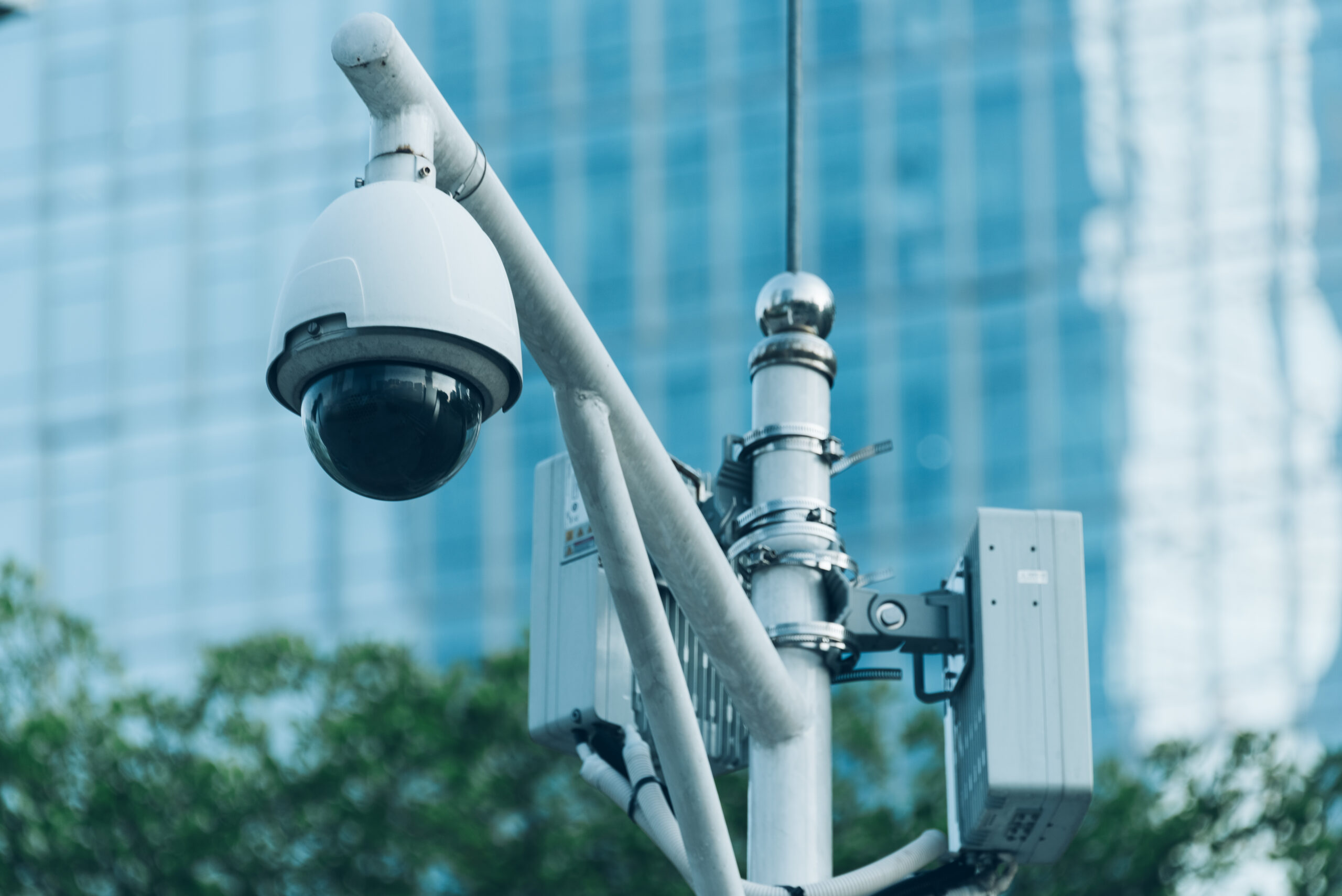
AI-Powered Video Surveillance Solutions for Modern Security
Security threats have become increasingly sophisticated in recent years, prompting organizations and homeowners alike to seek more reliable and proactive solutions. Artificial intelligence (AI) is now at the forefront of this transformation, reshaping video surveillance through advanced analytics, real-time detection, and automated response capabilities. These innovations provide unprecedented visibility and efficiency that traditional camera systems cannot match. For those seeking advanced monitoring solutions, https://www.quickresponse.net/monitoring-solutions/video-analytics-surveillance/ provides a thorough overview of modern AI-powered video analytics and their practical benefits.
Unlike conventional video surveillance, which relies on manual oversight and reactive measures, AI-driven systems actively analyze and interpret visual data. This advancement is not limited to large enterprises. Small businesses and private residences are also reaping the rewards of smarter, more scalable security. By leveraging AI, users can better protect assets, secure perimeters, and preempt unauthorized activity.
AI-powered surveillance transcends simple video recording. These systems can identify potential threats, reduce the frequency of false alarms, and adapt dynamically as the situation unfolds. The result is a proactive security posture that minimizes human error and responds to real-world incidents in real time. As a result, businesses and communities can deploy fewer resources for monitoring while gaining deeper insights and faster response times.
The integration of AI does not merely automate surveillance tasks. It also introduces sophisticated technologies, such as deep learning, computer vision, and edge computing, to deliver intelligent insights and maximize operational efficiency. As awareness and adoption of these systems grow, decision-makers must consider not only the advantages but also the challenges they bring, including privacy, data security, and ethical concerns.
Introduction to AI in Video Surveillance
AI integration has redefined video surveillance from a passive record-keeping tool to a dynamic system capable of active threat analysis. Advanced algorithms can scan vast volumes of footage to identify unusual movements, behaviors, or objects. This holistic approach to monitoring is significantly more effective than relying solely on human observation, which can overlook subtle yet critical environmental changes. According to CNET’s coverage on AI and surveillance, the shift is helping security teams proactively adapt to emerging threats and focus their attention where it matters most.
Key Benefits of AI-Powered Surveillance
- Real-Time Threat Detection: With AI, surveillance systems can instantly alert security personnel to suspicious activity, bypassing the delays associated with human monitoring and interpretation.
- Reduced False Alarms: Through pattern recognition and context analysis, AI distinguishes between actual threats and harmless events, such as pets or weather disturbances, which often trigger false alarms.
- Operational Efficiency: Automating routine monitoring and incident flagging frees up valuable manpower. Personnel can then devote their expertise to higher-level security strategy and decision-making.
- Scalability: AI surveillance is highly adaptable. Whether deployed in a small retail shop or across a sprawling campus, these systems can expand or contract in response to evolving security requirements, ensuring continuous coverage without overextension.
Real-World Applications
Major brands and organizations are already demonstrating the value of AI-powered surveillance. For instance, Arlo’s smart home cameras use built-in AI to identify various types of movement and differentiate between people, vehicles, and animals, giving homeowners actionable notifications without an overload of unnecessary alerts. Tom’s Guide features a comprehensive review of Arlo’s AI enhancements.
In the commercial sector, Hikvision provides an AI ecosystem that incorporates edge devices, advanced analytics, and seamless integration with existing video infrastructure. By enabling rapid data processing and decision support, Hikvision’s ecosystem enables faster, more targeted responses to real security incidents. These cases set the standard for leveraging AI to reduce risk and empower proactive decision-making.
Emerging Technologies in AI Surveillance
The efficacy of AI surveillance continues to grow as new technologies emerge. Vector databases, for example, are transforming how video search is conducted. By enabling swift similarity checks across millions of video sequences, these databases play a vital role in real-time pattern identification and object matching. Another advancement, federated learning, allows for collaborative training of AI models across multiple systems while keeping sensitive surveillance data localized and private. This distributed approach enhances collective learning while complying with data privacy standards.
Continual technological evolution fuels innovation in AI surveillance, enabling organizations to stay ahead of security threats and implement more ethical, privacy-focused solutions.
Challenges and Considerations
Despite the impressive capabilities, there are important considerations. Privacy is a major concern as AI systems can monitor public and private spaces more comprehensively than ever before. Striking a balance between robust security and individual privacy rights requires rigorous oversight and transparent policies. Additionally, the vast amounts of data managed by these systems must be adequately protected against breaches, theft, and unauthorized access. Bias in AI algorithms also poses ethical challenges. Careful calibration and regular audits are necessary to ensure that AI does not unintentionally target or discriminate against particular groups.
Future Trends
- Integration with IoT Devices: The next leap in AI surveillance involves seamless connectivity with sensors, alarms, and smart devices, creating holistic security ecosystems capable of comprehensive situational awareness.
- Enhanced Predictive Analytics: Ongoing improvements in machine learning enable AI systems not just to detect threats, but also to analyze historical data and anticipate incidents before they occur, minimizing damage and loss.
- Improved User Interfaces: As AI gets more sophisticated, intuitive user interfaces will be crucial for reducing the learning curve. Security teams must be able to interact efficiently with AI systems to manage operations effectively and respond swiftly to alerts.
Conclusion
AI-powered surveillance systems represent a fundamental shift in modern security. By offering real-time detection, operational efficiency, and adaptive scalability, these solutions help safeguard people and assets more effectively than ever. Embracing this technology, however, requires careful attention to privacy, bias, and data protection. As AI continues to advance, stakeholders must work collaboratively to address these concerns and unlock the full potential of safer, smarter surveillance solutions.
