








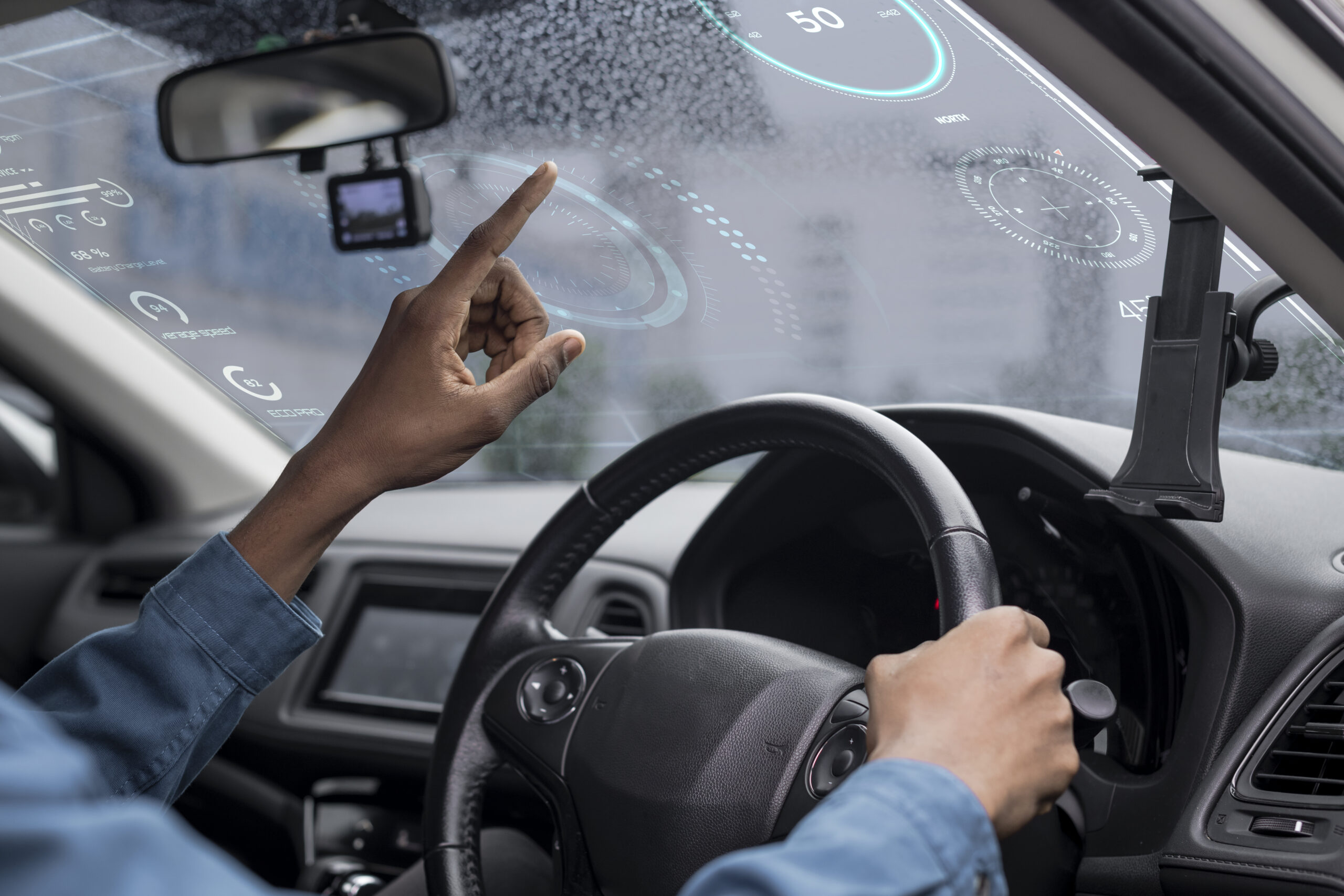
How New Vehicle Technology Is Changing the Way We Drive
Key Takeaways
- AI and automation are enhancing vehicle safety and efficiency.
- New safety features are becoming standard in modern vehicles.
- Electric vehicles (EVs) are gaining popularity due to technological advancements.
- Autonomous driving technologies are progressing, though challenges remain.
New vehicle technologies are reshaping the modern driving landscape, impacting everything from road safety to the way we approach daily commutes. Today, advancements in artificial intelligence, automation, and electric vehicles are not just concepts for the future, but practical features available in vehicles now. Drivers can expect a safer, more efficient, and more intuitive driving experience as these innovations become mainstream. Learn more about the newest vehicle features and how they might enhance your next drive.
Many of these technologies are designed to make driving more convenient and accessible while improving overall road safety. From improved accident-avoidance systems to more efficient vehicle energy use, the automotive industry is setting a new standard for what drivers can expect. For those considering purchasing a new vehicle, understanding these technological changes is crucial to making an informed decision. Automakers are also rolling out updates more frequently, meaning today’s advanced features will only continue to improve in the near future.
AI and Automation in Vehicles
Artificial intelligence is having a profound impact on the automotive industry. AI-driven algorithms now monitor everything from driver fatigue to optimal routing, constantly working to enhance performance and safety. Vehicle manufacturers use AI to develop features such as predictive maintenance alerts, real-time navigation, and adaptive cruise control. By detecting patterns and potential risks, AI helps prevent accidents before they happen. This technology even streamlines accident recovery and claims processes, enabling faster resolution for drivers and insurers alike.
Enhanced Safety Features
Advanced safety technologies are now common in many new vehicles, with some even becoming legal requirements in certain regions. The U.S. National Highway Traffic Safety Administration (NHTSA) has updated its safety standards to prioritize features such as lane-keeping assist, pedestrian automatic emergency braking, and blind spot warnings. These innovations are proven to reduce the frequency and severity of accidents, potentially saving thousands of lives each year. Additionally, adaptive headlights and real-time traffic sign recognition systems are helping drivers stay more aware of ever-changing road conditions.
Electric Vehicle Advancements
Electric vehicles continue to gain popularity as advances in battery technology and charging networks make them more practical than ever before. Companies are testing solid-state batteries that enable faster charging and longer driving ranges, effectively addressing two of the biggest concerns for new EV owners. Innovations like vehicle-to-grid integration enable electric vehicles to feed surplus energy back into the power grid, making energy consumption more efficient at the societal level. Additionally, as public and private charging stations expand, range anxiety is decreasing, contributing to a growing shift from internal combustion engines to electric drivetrains. Automotive experts predict that, within the next decade, electric vehicles will account for a significant share of new car sales globally.
Autonomous Driving Technologies
Major automakers are aggressively developing autonomous driving technologies, with notable progress in recent years. For instance, BMW has received regulatory approvals for its Level 2 “hands-off” driving technology, enabling hands-free operation at highway speeds up to 130 km/h in specific scenarios. This marks a significant leap toward more accessible self-driving options, though full autonomy is still facing regulatory and technical challenges. Semi-autonomous features such as traffic-jam assist, park assist, and automated lane-changing are steadily becoming part of the modern driving experience. As testing and consumer adoption accelerate, it is expected that even more self-driving capabilities will move from luxury vehicles to mainstream models in the coming years.
Impact on Driving Habits
Technology integration is fundamentally altering drivers’ habits and expectations on the road. Features such as adaptive cruise control, lane centering, and real-time traffic alerts help reduce driver fatigue and increase comfort, particularly on long commutes. While these assistive systems are designed to aid drivers, it is crucial for drivers to remain engaged and understand each technology’s limitations. Overreliance or misunderstanding of these features can lead to risky driving behaviors. Insurance companies and safety groups continually emphasize the importance of regular driver education and situational awareness as new technologies roll out. As our relationship with vehicles evolves, ongoing education will be key to maximizing both convenience and safety.
Future Outlook
The future of driving will be defined by continuous technological advancements. We can expect even more refined safety features, expanded adoption of electric and hybrid vehicles, and increasing levels of vehicle autonomy. Many automakers are working toward fully autonomous vehicles, though industry experts agree that regulatory, ethical, and technical hurdles remain. As city infrastructure adapts to new vehicle demands and smart grids become commonplace, the driving experience will evolve in ways previously unimaginable. Staying informed about these trends is essential, as they will soon become routine in everyday transportation.
Conclusion
Emerging vehicle technologies are transforming how we drive, offering greater safety, efficiency, and convenience than ever before. From AI-powered systems and advanced safety features to electric drivetrains and semi-autonomous capabilities, these innovations are reshaping driver expectations and habits. As technology continues to advance, staying informed and understanding how to use these tools responsibly will be key to maximizing their benefits while ensuring safer, more sustainable, and enjoyable driving experiences for all.


