








Introduction
Tribupneu is an emerging concept that is beginning to capture attention in specialized fields of engineering and healthcare. In a world where innovation is driven by efficiency and adaptability, Tribupneu offers a unique approach by combining the science of friction with pneumatic systems. This fusion enables machines and devices to perform with greater precision and responsiveness. For students, professionals, and technology enthusiasts, understanding it provides insight into a forward-looking area that could influence multiple industries in the coming years.
What Is Tribupneu?
Tribupneu is a conceptual field that combines tribology (the study of friction, wear, and lubrication) with pneumatics (systems powered by compressed air). The term itself reflects this fusion:
- “Tribo” refers to friction-related science
- “Pneu” relates to air, lungs, or pneumatic motion
Together, Tribupneu describes systems where controlled friction and air pressure work in harmony to enhance performance, efficiency, and precision.
Unlike traditional mechanical systems, Tribupneu focuses on dynamic control, meaning it can adjust in real time depending on environmental conditions or system requirements.
Origins and Evolution
Early Foundations
The roots of Tribupneu can be traced back to advancements in:
- Tribology research
- Pneumatic engineering
- Material science innovations
For decades, scientists studied how to reduce friction and improve airflow efficiency. Eventually, researchers realized that instead of eliminating friction entirely, it could be controlled and used advantageously leading to the conceptual birth of Tribupneu.
Modern Development
In recent years, rapid progress in:
- Smart sensors
- Mechatronics
- AI-driven systems
has accelerated the development of Tribupneu. These technologies allow systems to monitor and adjust friction and air pressure instantly, making them smarter than ever before with the integration of the messonde modern productivity framework, which enhances adaptability and complex system management.
How Tribupneu Works
It operates by carefully balancing two main elements: friction and airflow. Specialized materials are used to control how surfaces interact, while pneumatic systems regulate the movement and pressure of air. These elements work together to create systems that can respond dynamically to different conditions.
Sensors often play a key role in this process. They collect data related to pressure, motion, and system performance, allowing automatic adjustments to be made instantly. This real-time responsiveness is one of the defining characteristics of Tribupneu, making it highly effective in environments where precision matters.
Tribupneu Applications in Modern Industries
Manufacturing and Robotics
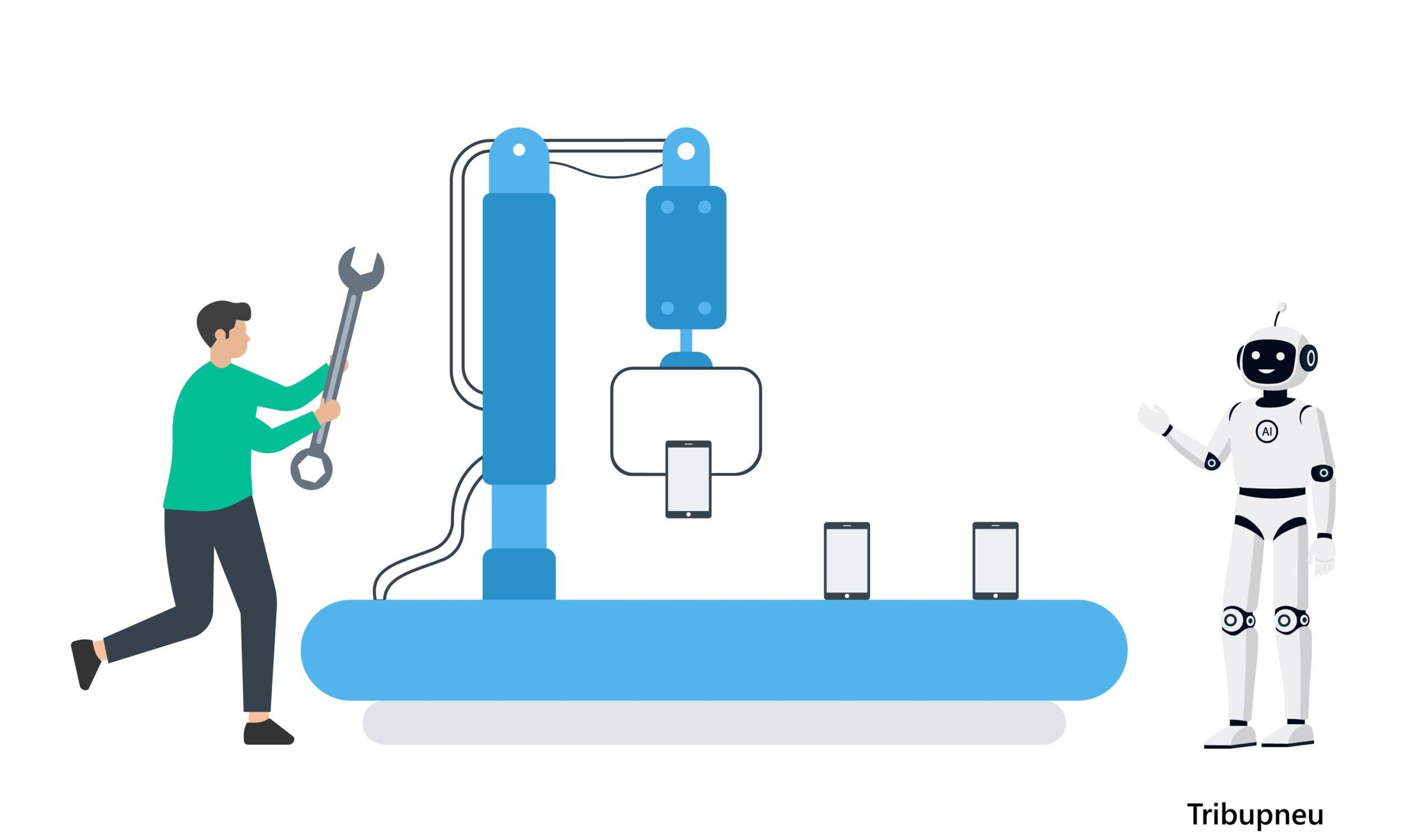
In modern manufacturing, precision and efficiency are essential. It enhances robotic systems by allowing them to handle objects with greater control. Instead of relying on fixed mechanical movements, these systems can adapt their grip and motion depending on the task.
This is particularly useful in industries such as electronics, where delicate components must be handled carefully. It enables smoother operations, reduces damage, and improves overall productivity. As automation continues to expand, its role in manufacturing is likely to grow even further.
In Medical Technology
Healthcare is another area where Tribupneu shows strong potential. Devices that rely on airflow, especially those related to respiratory support, can benefit significantly from this technology. By combining controlled friction with regulated air pressure, these devices can deliver more consistent and comfortable performance.
In addition, it can contribute to rehabilitation technologies. Equipment designed for therapy can adjust to individual patient needs, improving effectiveness and comfort. This adaptability makes it especially valuable in personalized healthcare solutions.
Automotive and Aerospace Engineering
In automotive and aerospace industries, performance and reliability are critical. It can improve systems that depend on precise control, such as braking, suspension, and airflow management. These improvements can enhance both safety and user experience.
For example, airflow systems in vehicles or aircraft cabins can be adjusted more efficiently, providing better comfort. At the same time, reduced friction and wear can extend the lifespan of components, leading to long-term benefits.
Advantages
One of the main strengths of Tribupneu is its ability to increase efficiency while reducing energy waste. By controlling friction instead of eliminating it entirely, systems can operate more effectively. This approach also minimizes wear and tear, which helps extend the life of machinery.
Another important advantage is precision. Tribupneu systems can make fine adjustments in real time, which is essential in fields like robotics and healthcare. This level of control also contributes to improved safety and overall performance, making it a valuable innovation across multiple sectors. For a deeper look at secure digital tools, you can explore best proxy companies secure tools guide
Challenges Facing Tribupneu
Complex System Design
Combining tribology and pneumatics creates highly sophisticated systems that require expert knowledge to design and maintain.
Higher Initial Costs
Advanced materials, sensors, and automation technologies can make Tribupneu systems expensive at the beginning.
Slow Industry Adoption
Because Tribupneu is still an emerging concept, many industries are cautious about adopting it until more proven results are available.
Future Trends
It is evolving rapidly as new technologies push the boundaries of efficiency and intelligent system design. Its future lies in smarter, more adaptive solutions that can respond to real-time conditions across industries.
Smart Materials
Future systems may use advanced materials that automatically adjust their friction levels, allowing machines to optimize performance without manual intervention.
Integration of AI
Artificial intelligence will enable to this systems to analyze data and make real-time adjustments, improving accuracy, efficiency, and reliability.
Personalized Healthcare
Customized medical devices powered by Tribupneu could offer patient-specific treatments, especially in respiratory support and rehabilitation technologies.
Sustainability and Energy Efficiency
With reduced energy consumption and longer equipment lifespan, it is expected to support environmentally sustainable engineering solutions.
Conclusion
Tribupneu is a forward-looking concept that combines friction control with pneumatic systems to create smarter and more efficient technologies. Its applications across industries highlight its growing importance. Although still developing, its potential impact is significant. As innovation continues, it may become a key part of future engineering solutions.


