







Introduction
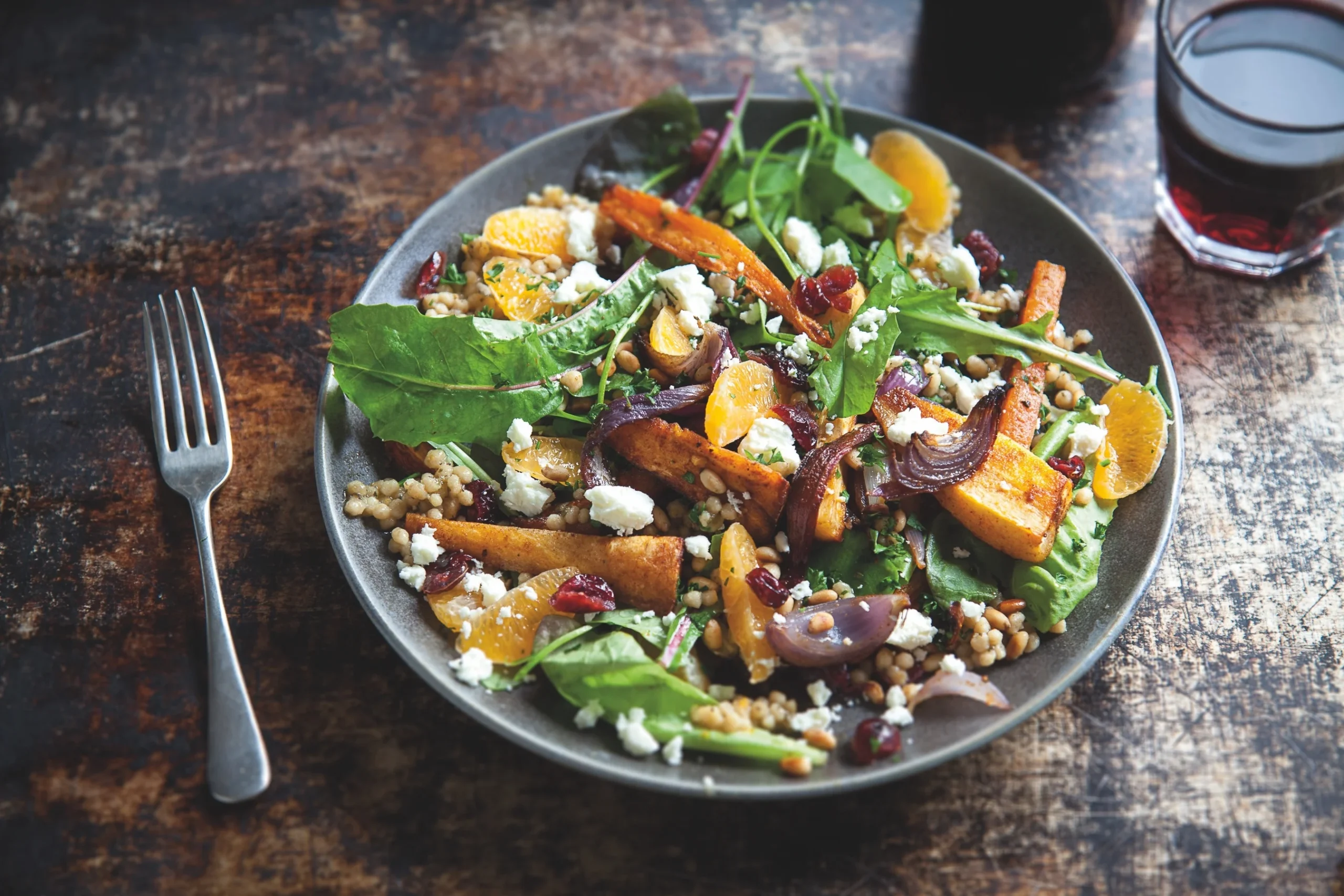
If you enjoy discovering traditional foods from around the world, Maftoul is a dish worth trying. This comforting Palestinian grain has a unique texture, mild nutty flavor, and the ability to absorb the rich flavors of broth, vegetables, herbs, and spices. It is often compared with couscous because of its appearance, but its larger grains and chewy texture make it quite different.
Traditionally prepared from wheat, Maftoul has been enjoyed as part of Palestinian home cooking for generations. It can be served with chickpeas, vegetables, chicken, or a flavorful tomato-based broth, making it a versatile choice for both simple family meals and special occasions. The best part is that you do not need complicated ingredients or advanced cooking skills to prepare it at home.
In this guide, you will learn what Maftoul is, how it differs from couscous, how to cook it properly, and how to prepare an easy Palestinian-inspired recipe using simple ingredients.
What Is Maftoul?
Maftoul is a traditional Palestinian wheat product made by rolling crushed wheat or bulgur with flour and water into small, round grains. The grains are then dried and stored for later use.
Although it looks similar to couscous, it has a noticeably different texture. The grains are larger and usually have a pleasant chewiness after cooking. Traditional preparation can involve steaming the grains, while commercially available varieties may have different cooking instructions.
The mild flavor makes Maftoul an excellent base for dishes with flavorful broths, vegetables, legumes, and spices. It absorbs surrounding flavors while still maintaining its own distinctive texture.
Maftoul in Palestinian Cuisine
Maftoul holds an important place in Palestinian cuisine and is commonly prepared with ingredients such as chickpeas, onions, tomatoes, and aromatic spices. Different families and regions may have their own ways of preparing and serving the dish.
The traditional style of cooking reflects a broader Middle Eastern food tradition of combining grains with legumes, vegetables, herbs, and flavorful cooking liquids. This creates a filling meal from relatively simple ingredients.
For additional information about Palestinian cultural traditions and food heritage, you can explore resources from UNESCO.
How to Cook Maftoul
Cooking Maftoul is straightforward, although the exact method can vary depending on whether you are using traditional or packaged grains. Always check the instructions on your package first.
Ingredients
For an easy Palestinian-inspired recipe, you will need:
- 1 cup Maftoul
- 1½ cups vegetable or chicken broth
- 1 small onion, finely chopped
- 1 tablespoon olive oil
- 1 cup cooked chickpeas
- 1 medium tomato, chopped
- 1 teaspoon cumin
- ½ teaspoon ground coriander
- ½ teaspoon paprika
- Salt and black pepper to taste
- 2 tablespoons fresh parsley
- Lemon wedges for serving
Step-by-Step Maftoul Recipe
Prepare the Onion
Heat olive oil in a medium saucepan over medium heat. Add the chopped onion and cook for several minutes until it becomes soft and lightly golden.
Add the Vegetables and Spices
Add the chopped tomato, cumin, coriander, paprika, salt, and black pepper. Stir everything together and cook for a few minutes. This allows the spices to release their aroma and gives the base a deeper flavor.
Add Chickpeas
Stir the cooked chickpeas into the mixture. Chickpeas add texture and make the dish more filling. You can use canned chickpeas for convenience, but rinse them well before adding them.
Add the Broth
Pour the vegetable or chicken broth into the saucepan and bring it to a gentle boil. The broth is important because the grains absorb the liquid and take on its flavor.
Cook the Maftoul
Add the Maftoul and stir gently. Reduce the heat, cover the saucepan, and cook according to the package instructions until the grains are tender and most of the liquid has been absorbed.
Avoid adding too much liquid at once because this can result in a soft or mushy texture.
Rest and Fluff
Once cooked, remove the saucepan from the heat and let it rest for a few minutes. Use a fork to gently fluff the grains before serving.
Finish with fresh parsley and a squeeze of lemon juice for extra freshness.
Tips for Making Perfect Maftoul
Choose a Flavorful Broth
Since Maftoul absorbs the cooking liquid, using a flavorful broth can make a significant difference. Vegetable broth is ideal for a vegetarian version, while chicken broth provides a richer flavor.
Do Not Overcook It
One of the most important tips is to avoid overcooking. You want the grains to become tender while retaining their slightly chewy texture.
Add Fresh Herbs
Fresh parsley, mint, or cilantro can add a bright flavor to the finished dish. Add them shortly before serving for the freshest taste.
Customize With Vegetables
You can easily add vegetables such as carrots, zucchini, bell peppers, or eggplant. Roasted vegetables work particularly well because their caramelized flavor complements the grains.
What Does Maftoul Taste Like?
Maftoul has a mild, slightly nutty flavor and a satisfying chewy texture. On its own, it has a relatively subtle taste, which makes it perfect for absorbing the flavors of broth, vegetables, herbs, and spices.
Compared with regular couscous, it generally feels more substantial because of its larger grain size. This makes it suitable as a main dish or as a side dish with grilled meat or roasted vegetables.
Is Maftoul Healthy?
Maftoul can be part of a balanced meal when combined with vegetables, chickpeas, and other nutritious ingredients. Chickpeas provide plant-based protein and fiber, while vegetables add important vitamins and minerals.
For a lighter meal, you can increase the amount of vegetables and chickpeas while using a moderate amount of oil. A low-sodium broth can also help control the amount of salt in the finished dish.
As with any food, the overall nutritional value depends on the ingredients and portion size used in the recipe.
How to Serve Maftoul
There are many delicious ways to serve Maftoul. The traditional-style preparation with chickpeas and vegetables is satisfying on its own, but you can also serve it alongside other dishes.
Try serving it with:
- Grilled chicken
- Roasted vegetables
- Fresh tomato and cucumber salad
- Chickpea and tomato sauce
- Plain yogurt
- Fresh parsley and lemon
- Roasted eggplant
You can also prepare a larger batch and enjoy the leftovers as an easy lunch the next day.
For more meal inspiration, check out our Middle Eastern Recipes and Healthy Dinner Ideas.
Maftoul vs. Couscous
Although Maftoul and couscous look similar, they are not exactly the same. Maftoul traditionally uses wheat and has larger, rounder grains. Couscous is generally made from semolina and is smaller and lighter in texture.
The difference becomes particularly noticeable after cooking. Maftoul tends to have a firmer and chewier bite, while couscous is usually lighter and fluffier.
Both can be used as versatile bases for vegetables, meat, legumes, and sauces, but they provide different textures and flavors.
Final Thoughts
Maftoul is a flavorful and comforting part of Palestinian cuisine that is surprisingly easy to prepare at home. Its larger grains, mild nutty flavor, and chewy texture make it an excellent alternative to ordinary rice or couscous.
With a simple combination of broth, chickpeas, vegetables, onions, and spices, you can create a satisfying meal without using complicated ingredients. Once you understand the basic cooking method, it is also easy to customize the recipe according to your taste.
Whether you are exploring Palestinian cuisine for the first time or looking for a new grain to add to your weekly meals, Maftoul offers a delicious way to enjoy a traditional dish with a modern, flexible approach.


