






Introduction
Soutaipasu is a term that has recently appeared in online content, particularly in articles discussing food, flavor, culture, and modern culinary ideas. At first glance, it may sound like the name of a traditional Japanese dish or an established culinary philosophy. However, the available information about Soutaipasu is inconsistent, and there is no strong evidence that it represents a recognized traditional cuisine or officially established food concept.
Some recent food-focused articles describe Soutaipasu as an emerging culinary idea centered on balance, layered flavors, umami, herbs, citrus, and thoughtful ingredient combinations. Other online sources give the word completely different meanings, including technology-related interpretations.
For this reason, Soutaipasu is best approached as an emerging or internet-based culinary term, rather than presented as an ancient or officially documented food tradition.
What Is Soutaipasu?
Soutaipasu does not currently have one universally accepted definition. In recent culinary writing, however, it has been used to describe a style of eating or flavor-building that emphasizes harmony between ingredients.
The culinary interpretation often focuses on combining contrasting but complementary tastes. Instead of allowing one ingredient to dominate a dish, the idea is to create a balanced experience through elements such as savory umami, acidity, mild sweetness, herbs, spices, and texture.
A 2025 article about Soutaipasu, for example, describes it in connection with Southeast Asian-inspired flavors, including citrus, lemongrass, gentle heat, and umami-rich ingredients.
It is important to distinguish this modern online interpretation from documented culinary history. There is not enough reliable evidence to claim that Soutaipasu is a traditional cuisine with a long-established origin.
Soutaipasu and the Idea of Flavor Balance
One of the most common themes associated with Soutaipasu is balance. Good cooking often depends on balancing different flavor characteristics. A rich ingredient may need acidity to make it feel lighter. A spicy preparation may benefit from sweetness or creaminess. Salty ingredients can become more interesting when paired with sour or aromatic components. In the culinary interpretation of Soutaipasu, this balance becomes the central idea.
For example, a modern dish inspired by this concept might combine:
- A savory or umami-rich base
- Fresh herbs for aroma
- Lime or another citrus ingredient for acidity
- Mild chili for heat
- A small amount of sweetness
- Crunchy and soft textures together
The goal is not necessarily to follow one fixed recipe. Instead, the emphasis is on how individual ingredients work together.
The Role of Umami in Soutaipasu
Umami is another important idea connected with the modern culinary interpretation of Soutaipasu. Umami is commonly described as a savory taste found naturally in foods such as mushrooms, tomatoes, seaweed, fermented foods, soy products, and certain broths. When used carefully, umami can give a dish greater depth without requiring excessive salt or heavy seasoning.
This makes umami particularly useful when creating balanced dishes.
A cook experimenting with a Soutaipasu-inspired meal might use mushrooms, fermented sauces, soy-based ingredients, or a rich broth as the savory foundation. Fresh herbs and citrus could then provide contrast, preventing the dish from becoming too heavy. This approach is less about following a strict formula and more about understanding how flavors interact.
Ingredients Commonly Associated With Soutaipasu
Because Soutaipasu does not have a standardized recipe, there is no official ingredient list. However, online culinary descriptions commonly connect the concept with ingredients that provide freshness, aroma, acidity, spice, and savory depth.
Some examples include:
Herbs and Aromatics
Lemongrass, ginger, garlic, basil, cilantro, and other aromatic ingredients can add freshness and complexity.
Citrus
Lime and similar acidic ingredients can brighten rich or savory dishes. A small amount of acidity can also make other flavors more noticeable.
Umami-Rich Ingredients
Mushrooms, soy sauce, fermented ingredients, broths, and other savory components can create depth.
Spices and Chili
Mild or moderate heat can add another layer of flavor. The emphasis is generally on complementing the other ingredients rather than overwhelming them.
Fresh Produce
Vegetables, leafy greens, fruits, and herbs can provide contrasting textures and natural freshness.
These ingredients should not be treated as mandatory Soutaipasu ingredients. They are simply examples found in recent online descriptions of the culinary interpretation.
Is Soutaipasu a Traditional Japanese Cuisine?
There is an important distinction here. Despite its Japanese-sounding name, Soutaipasu should not automatically be described as a traditional Japanese cuisine or historic Japanese dish. Current online sources give conflicting explanations of the term. Some claim Japanese linguistic or technical origins, while others describe it as a modern food concept.
Other websites even claim that Soutaipasu means “relative path” in computing, showing just how inconsistent the term’s online usage has become.
Therefore, writers should avoid presenting unsupported stories about ancient origins, traditional Japanese chefs, historical recipes, or established cultural practices. A more accurate description is that Soutaipasu has developed an emerging culinary interpretation in recent online content.
How to Create a Soutaipasu-Inspired Dish
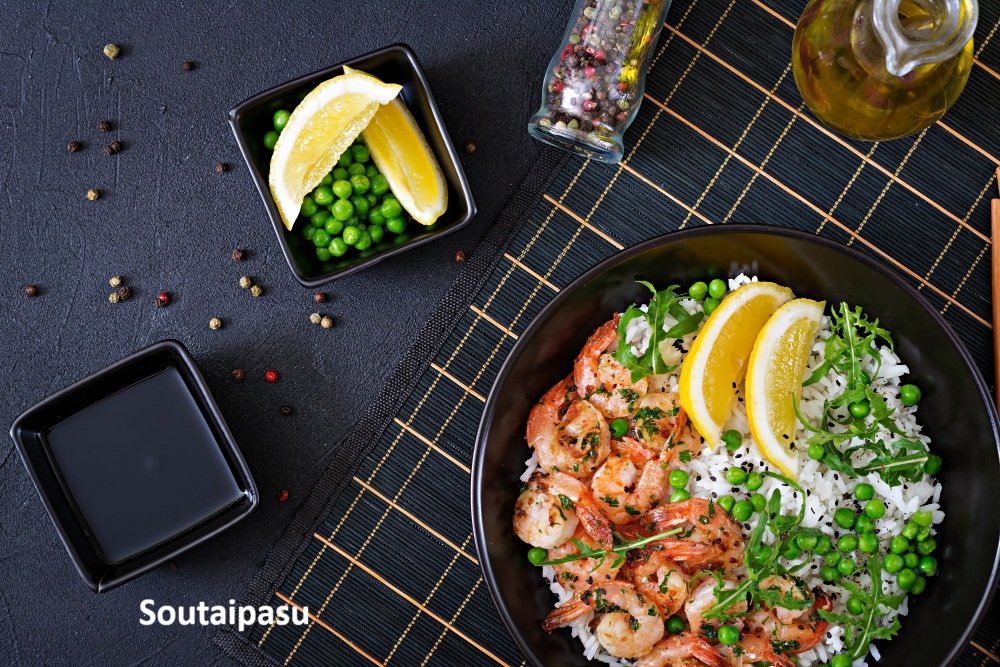
Since there is no fixed recipe, experimenting with the concept can be relatively flexible. Start with a strong base such as rice, noodles, vegetables, or a protein. Add an umami-rich ingredient to establish depth. Then introduce something acidic, such as lime, to brighten the dish.
Next, add fresh herbs or aromatics for fragrance. If you enjoy spicy food, a small amount of chili can provide warmth. Finally, consider texture. Combining something crisp with something soft can make the overall eating experience more interesting. The key is moderation. If every ingredient is intense, the dish can become confusing rather than balanced.
Why Is Soutaipasu Getting Attention?
The unusual nature of the word itself may explain some of its online appeal. People encountering an unfamiliar term naturally search for its meaning. Recent websites have attached different interpretations to Soutaipasu, including culinary, technological, lifestyle, and cultural explanations.
The food interpretation is particularly attractive because it provides a modern-sounding framework for discussing familiar culinary principles such as balance, contrast, umami, freshness, and ingredient pairing.
However, its online popularity should not be confused with historical authenticity. A term can become visible through search engines and online publishing without being an established cultural tradition.
Soutaipasu in Modern Food Culture
Modern food culture increasingly values experimentation and combinations that cross culinary boundaries. Chefs and home cooks regularly combine ingredients, techniques, and flavor profiles from different regions to create new experiences.
Within this environment, the culinary interpretation of Soutaipasu can be understood as a modern descriptive idea rather than a rigid cuisine.
Its strongest appeal is the focus on relationships between ingredients. Instead of asking whether a dish belongs to one particular tradition, the concept encourages attention to flavor, texture, aroma, and balance. That makes Soutaipasu interesting as an example of how new culinary language can emerge online.
Conclusion
Soutaipasu is a developing term with varying online meanings, especially in food content where it is often described as a modern culinary idea focused on balance, umami, freshness, and thoughtful ingredient pairing. However, there is no reliable evidence to confirm it as a traditional cuisine. Therefore, it should be viewed as a contemporary online concept reflecting evolving food trends and experimental flavor language.