








How Modern Residential Security Systems Are Shaping Safer Neighborhoods
Key Takeaways
- Advancements in residential security technology are enhancing neighborhood safety.
- Integration of AI and smart devices allows for real-time monitoring and rapid response.
- Community collaboration through shared security resources strengthens overall security.
Neighborhood safety has become a top priority for homeowners across the country. As threats and challenges evolve, so do the tools and systems designed to protect communities. Today’s residential security systems do much more than simply notify homeowners of an intrusion—they actively contribute to neighborhood well-being by offering smarter, more connected, and more reliable protection. For those seeking a tailored security solution, it is easy to get a quote and start securing your home and neighborhood today.
Modern technology has enabled security systems to integrate seamlessly with other home devices. These systems are not only easy to control from a smartphone or tablet but also leverage real-time data and advanced analytics to provide a level of peace of mind that was previously unimaginable. As more residents invest in security solutions, the ripple effect can be felt across entire communities. When one homeowner enhances their security, it indirectly benefits their neighbors by increasing deterrence and shared vigilance.
The social landscape of residential security has also shifted; homeowners now collaborate using shared resources and communication platforms. Local watch groups, community security apps, and joint monitoring efforts enable neighborhoods to respond quickly to threats and suspicious activity. This collaborative approach is driving down crime in many places and making communities more resilient.
Studies have found that visible security measures, such as smart cameras and alarm signage, can deter crime and provide supporting evidence when incidents do occur. As technology continues to advance, the potential of these systems is only beginning to be realized, promising even safer neighborhoods in the years to come.
The Evolution of Home Security Systems
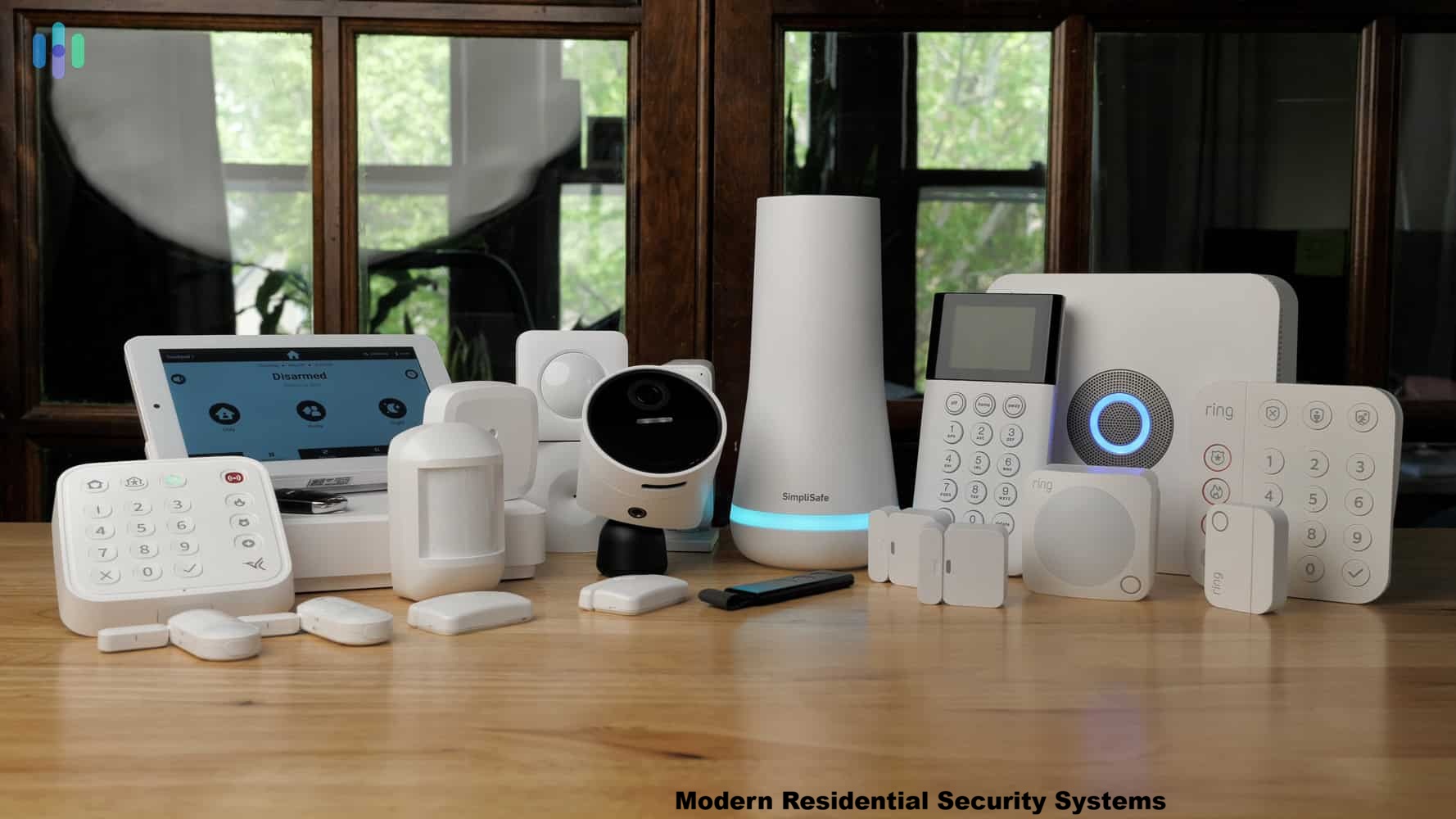
Residential security has come a long way from the days of simple locks and loud alarms. Today, home security systems are powered by a combination of high-definition video surveillance, motion sensors, and remote access controls. According to a U.S. News & World Report survey, more than half of homeowners now use outdoor cameras and video doorbells, reflecting a clear trend toward comprehensive monitoring solutions. These advancements are not just about sophistication; they are about practicality and responsiveness, empowering homeowners and increasing overall community vigilance.
Integration of Artificial Intelligence in Security
Artificial intelligence is taking residential security to the next level. AI-powered cameras and software can scan live video for suspicious patterns and automatically flag abnormal activity. Unlike older systems that might trigger an alarm every time a cat walked by, these intelligent systems use facial and object recognition to minimize false alerts and focus only on real threats. This not only makes homeowners more confident in their systems but also helps law enforcement prioritize responses.
AI’s role in home security goes beyond simple detection. Modern systems can learn the daily routines of household members, track common visitors, and “understand” when something seems out of the ordinary. This personalization offers a highly adaptive, proactive approach to home and neighborhood security, moving the industry far beyond the era of simple off-the-shelf alarms.
Community Collaboration and Shared Resources
Technology is not the only factor making neighborhoods safer community participation plays a crucial role as well. Modern security platforms facilitate collaboration by enabling residents to create digital neighborhood watch groups, share video footage, and distribute alerts about suspicious activity. Smartphone apps like Nextdoor and specialized security networks allow neighbors to report incidents in real time, ensuring everyone stays informed and alert.
Community collaboration strengthens the protection offered by individual home security systems by providing a networked defense. By pooling resources and sharing insights, neighborhoods can deter crime before it happens. In addition to sharing alerts, some communities invest in shared cameras or neighborhood-wide security patrols, further enhancing collective safety without requiring each home to maintain its own complex system.
Real-Time Monitoring and Rapid Response
The ability to check live camera feeds and receive instant alerts has transformed the effectiveness of residential security. Modern systems allow homeowners to access their security footage from anywhere. If a sensor is triggered or a suspicious person approaches, an alert can be sent immediately to the homeowner and relevant authorities.
This instant communication does far more than just capture evidence for later review it can help prevent incidents, whether it is deterring a break-in or providing emergency services with crucial information during a crisis. For apartment communities and shared properties, live surveillance enables on-site management to respond quickly and coordinate with residents as needed.
Case Studies, Success Stories in Neighborhoods
Several communities have documented substantial reductions in property crime after widespread adoption of modern security technologies. Neighborhoods in the Dallas-Fort Worth area reported measurable declines in theft and vandalism after homeowners invested in smart cameras and security systems. These real-world results highlight how both technology and community action can improve local safety statistics.
In other regions, neighborhood-wide projects combining smart lighting, AI-driven surveillance, and coordinated patrols have created environments where criminals are less likely to take risks. These investments have done more than protect properties; they have brought neighbors together and improved the overall quality of life.
Future Trends in Residential Security
Looking ahead, residential security will continue to incorporate innovative technologies such as autonomous drones, next-generation motion sensors, and hyper-connected surveillance suites. Artificial intelligence will become even more sophisticated, analyzing larger amounts of data and integrating seamlessly with city-wide infrastructure. These advancements are expected to provide more proactive threat detection and faster response times, ultimately driving crime rates even lower and elevating neighborhood safety standards across the country.
Conclusion
Modern residential security systems are at the forefront of making neighborhoods safer and more connected. Through advancements in technology, active community participation, and innovative monitoring solutions, these systems offer far more than a basic deterrent to crime. They empower residents, support law enforcement, and strengthen the bonds that define vibrant, resilient communities.


