








Introduction
The Kosciuszko Bridge is one of the most important transportation links in New York City, connecting Brooklyn and Queens across Newtown Creek. It carries thousands of vehicles every day and plays a vital role in supporting traffic flow throughout the region. The modern bridge was built to replace the aging original structure, improving safety, efficiency, and capacity. With its striking cable-stayed design and advanced engineering, the Kosciuszko Bridge has become a notable landmark and a key part of New York’s transportation infrastructure.
What Is the Kosciuszko Bridge?
The Kosciuszko Bridge is a major bridge in New York City that connects the boroughs of Brooklyn and Queens. It carries traffic along the Brooklyn–Queens Expressway (I-278), making it an important transportation route. The bridge helps thousands of commuters and commercial vehicles travel between different parts of the city every day. The modern bridge replaced an older structure to improve safety, traffic flow, and capacity. Today, it is recognized as one of New York’s most significant infrastructure projects.
History of the Kosciuszko Bridge
The original Kosciuszko Bridge was opened in 1939 and was initially known as the Meeker Avenue Bridge. In 1940, it was renamed in honor of Tadeusz Kościuszko, a Polish military engineer and hero who supported the American Revolution. Over the years, increasing traffic placed heavy demands on the bridge, causing congestion and maintenance challenges. By the early 2000s, the structure was considered outdated and unable to meet modern transportation needs. This led to plans for a complete replacement.
Why the New Kosciuszko Bridge Was Built
The new Kosciuszko Bridge was built to replace the aging bridge that had become heavily congested and structurally inefficient. The original bridge carried far more vehicles than it was designed to handle, resulting in frequent traffic delays. Engineers also identified safety concerns and high maintenance costs associated with the old structure. The replacement project aimed to improve traffic flow, reduce travel times, and provide a safer driving experience. The new design also accommodates pedestrians and cyclists, which the old bridge did not.
Key Features of the Kosciuszko Bridge
One of the most notable features of the new Kosciuszko Bridge is its modern cable-stayed design, which creates a distinctive skyline appearance. The bridge includes wider lanes to handle increased traffic volumes and reduce bottlenecks. Dedicated paths for pedestrians and cyclists promote alternative transportation options. Energy-efficient LED lighting enhances visibility while adding a striking visual element at night. The bridge was also designed using advanced engineering techniques to improve durability and reduce future maintenance needs.
Modern Cable-Stayed Design
The new Kosciuszko Bridge features a modern cable-stayed structure that provides both strength and visual appeal. Its distinctive towers and cables have become a recognizable part of the New York skyline.
Wider Traffic Lanes
The bridge was designed with wider lanes to accommodate increased traffic volumes. This improvement helps reduce congestion and allows vehicles to travel more efficiently.
Pedestrian and Bicycle Pathways
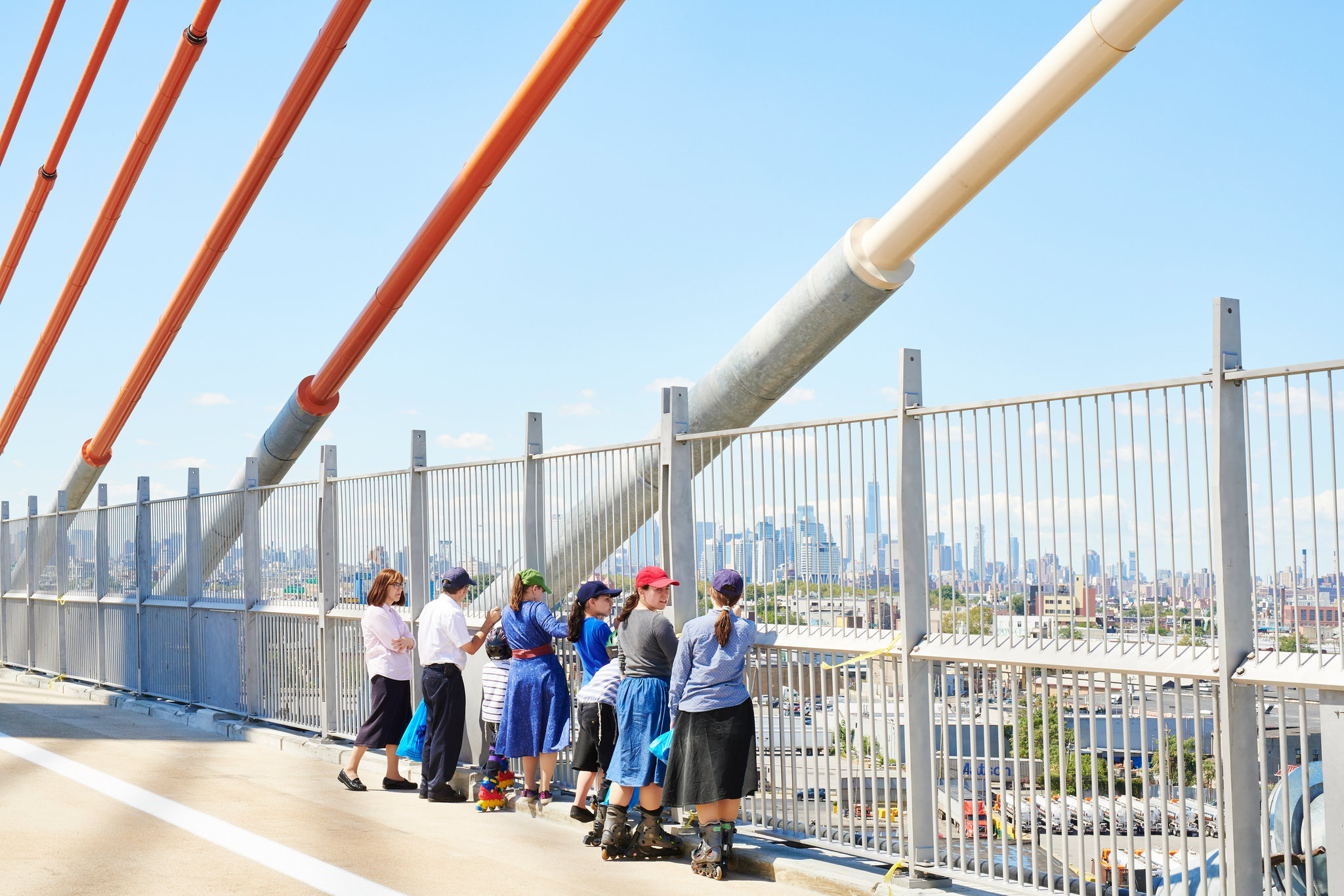
Unlike the original bridge, the new structure includes dedicated paths for pedestrians and cyclists. These pathways encourage alternative transportation and provide scenic views of the surrounding area.
Energy-Efficient LED Lighting
The bridge is equipped with advanced LED lighting systems that improve visibility and safety. The colorful lighting also enhances the bridge’s appearance during nighttime.
Enhanced Safety and Durability
Modern engineering techniques and high-quality materials were used to ensure the bridge remains safe and durable for decades. Its design reduces maintenance requirements while improving overall reliability.
Traffic and Economic Importance of the Kosciuszko Bridge
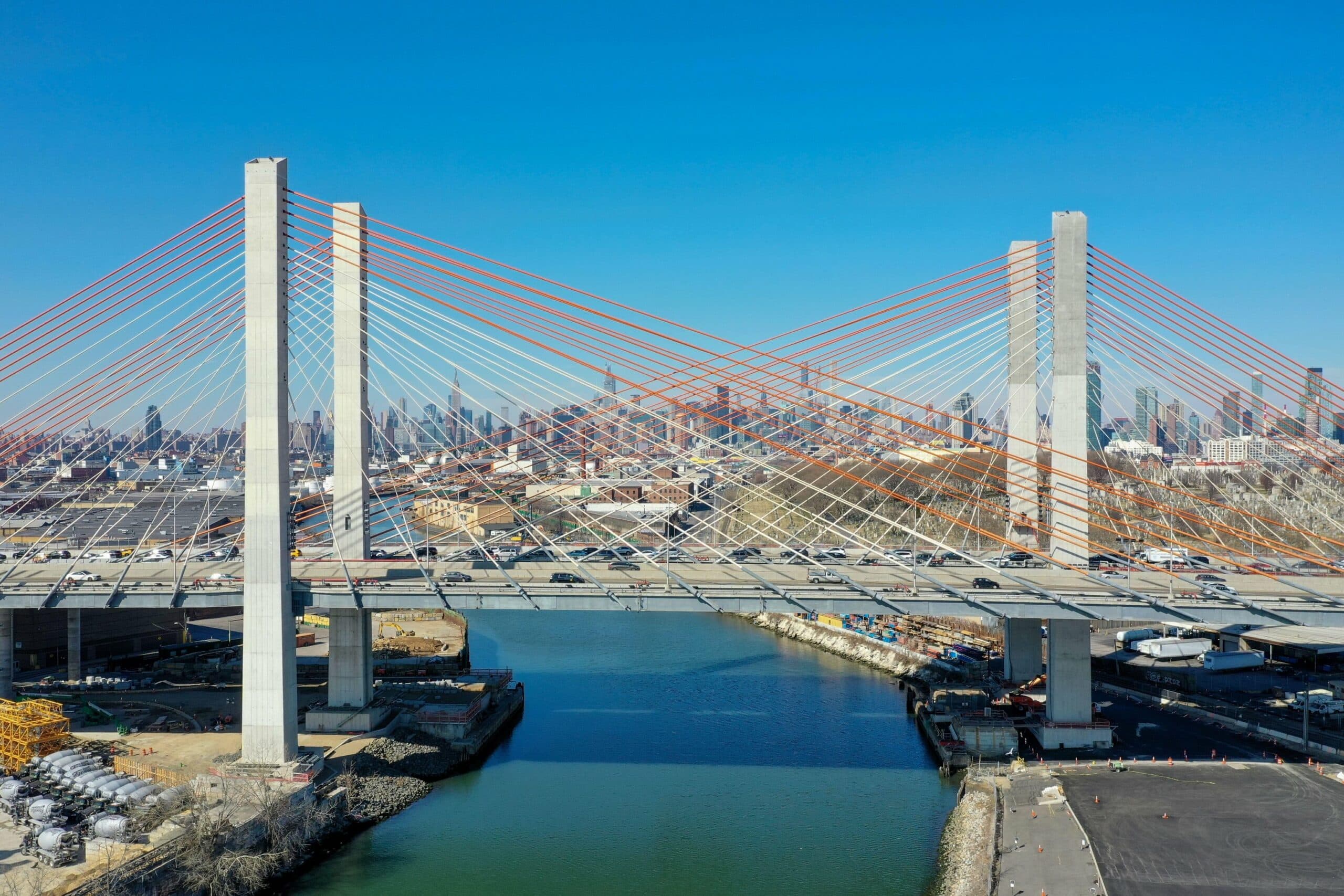

The Kosciuszko Bridge plays a vital role in supporting transportation and economic activity throughout New York City. It serves as a key link for commuters traveling between Brooklyn, Queens, and other surrounding areas. Thousands of trucks use the bridge daily to transport goods, making it important for regional commerce and supply chains. Improved traffic flow helps reduce delays and fuel consumption, benefiting businesses and drivers alike. The bridge also supports long-term economic growth by enhancing the efficiency of the city’s transportation network.
Interesting Facts About the Kosciuszko Bridge
The new Kosciuszko Bridge project was one of the largest transportation infrastructure investments in New York State. The bridge’s illuminated towers can be seen from several neighborhoods, making it a recognizable landmark. It was constructed in phases to minimize disruptions to daily traffic during the replacement process. The bridge features a shared-use path that provides scenic views of the surrounding industrial and urban landscape. Its innovative design and engineering have made it a model for modern bridge construction projects across the United States.
Named After a Historical Hero
The Kosciuszko Bridge is named after Tadeusz Kościuszko, a Polish military engineer and hero who supported the American Revolutionary War.
Built in Two Major Phases
The new bridge was constructed in phases to ensure that traffic flow between Brooklyn and Queens was not completely disrupted during construction.
Iconic Nighttime Lighting
The bridge features advanced LED lighting that can display different colors, making it a visually striking landmark at night.
Part of a Major Highway Route
It carries the Brooklyn–Queens Expressway (I-278), one of the busiest transportation corridors in New York City.
Replaced an Older Structure
The modern bridge replaced a 1939-built structure that had become outdated due to heavy traffic and increasing transportation demands.
Conclusion
The Kosciuszko Bridge is a vital part of New York City’s transportation network, providing a reliable connection between Brooklyn and Queens. Its modern design, improved safety features, and increased traffic capacity have significantly enhanced travel efficiency for commuters and businesses. Beyond its practical benefits, the bridge also stands as an example of innovative engineering and infrastructure development. As a result, the Kosciuszko Bridge continues to play an important role in supporting the city’s growth and economic activity.


