







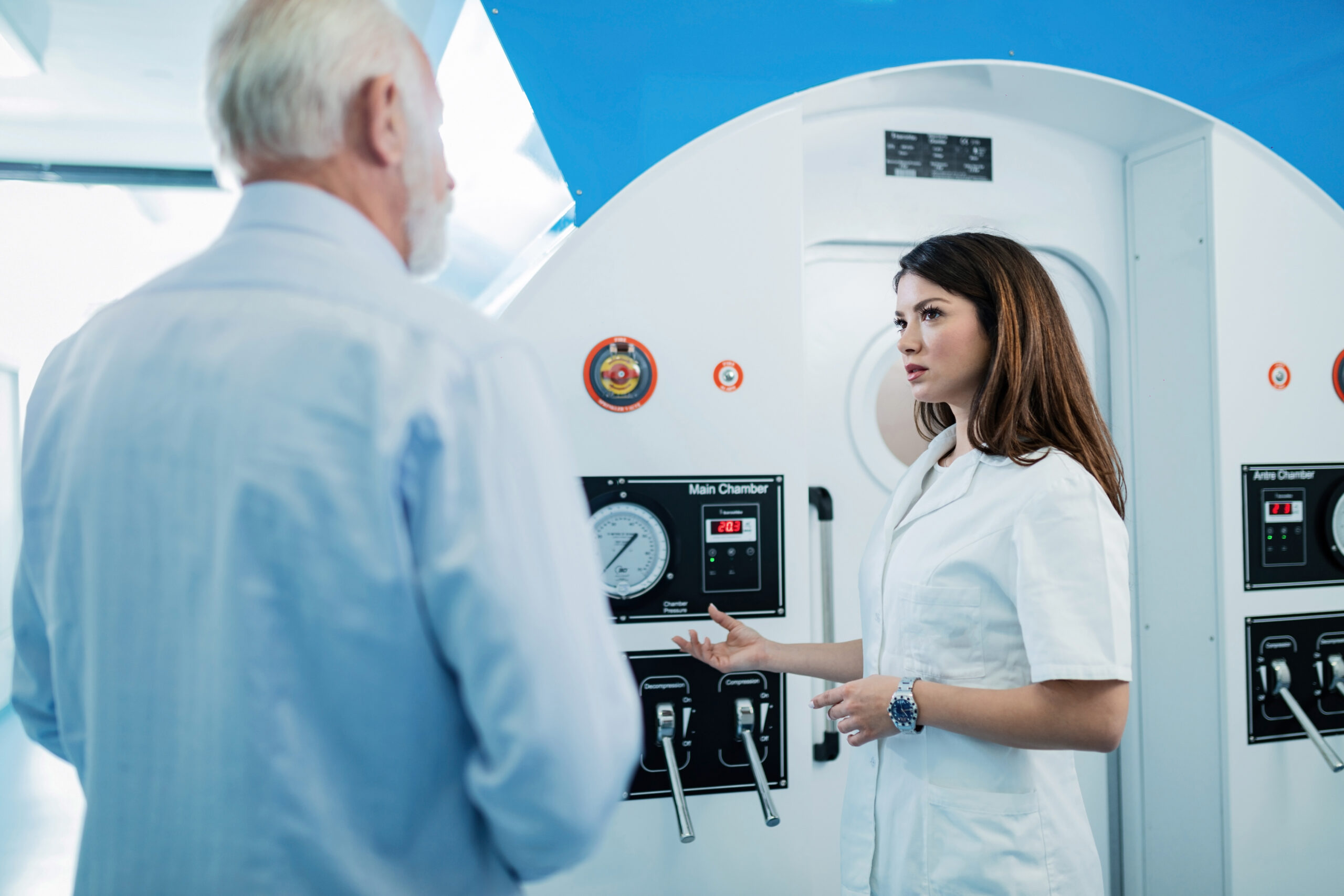
The Role of Temperature Chambers in Quality Control and Product Testing
Key Takeaways
- Temperature chambers are essential for simulating real-world environments and enhancing product reliability.
- They enable accelerated aging, early defect detection, and regulatory compliance.
- Utilization of temperature chambers results in cost savings and risk mitigation.
- Industries such as electronics, pharmaceuticals, and aerospace rely on temperature chambers for robust quality control.
Introduction
Across manufacturing sectors, product safety and dependability are non-negotiable. One crucial tool helping companies meet high expectations is the temperature chamber, which replicates the environments products encounter throughout their lifecycles. From electronics to aerospace, temperature chambers enable testing under meticulously controlled conditions.
These chambers subject products to a wide range of temperatures and humidity levels. The ability to simulate everything from arctic cold to tropical heat ensures that only products capable of enduring real-world stresses reach customers, helping prevent failures, malfunctions, and potential safety hazards.
Simulating Real-World Conditions
Temperature chambers enable manufacturers to subject products to extreme environmental conditions that may be difficult if not impossible to replicate naturally. Testing for performance in both severe heat and piercing cold is critical for global industries that distribute products worldwide. For example, electronic devices undergo rigorous testing to verify their operation across the complete temperature spectrum where end users might deploy them.
This capability is invaluable, not just for consumer electronics, but also for sectors like automotive and aerospace, where components are expected to function flawlessly despite constant changes in temperature and pressure. By investing in comprehensive climate simulation, companies can avoid setbacks and ensure product launches go smoothly across markets.
Accelerated Aging and Stability Testing
Many products are expected to last years or even decades, but waiting that long for results isn’t practical. Accelerated aging testing, made possible by temperature chambers, condenses years of environmental wear into a matter of weeks or months. This method is especially vital in the pharmaceutical industry, where stability chambers are used to validate a drug’s shelf life and active ingredient potency under varying temperature and humidity levels.
Regulatory bodies such as the U.S. Food and Drug Administration (FDA) mandate stability testing, underscoring the importance of accelerated testing for ensuring pharmaceutical safety and compliance.
Identifying Defects Early
Early-stage defect detection saves time, money, and brand reputation. By pushing products through a battery of temperature swings, manufacturers uncover weaknesses in design, construction, or material selection. This enables prompt corrective action be it redesign, material substitution, or changes in manufacturing technique long before products leave the production floor.
For instance, components susceptible to thermal fatigue or adhesives that may deteriorate at certain temperatures can be flagged for improvement, thus reducing the risk of unexpected failures in the field. This proactive approach is favored in high-stakes industries like automotive, where a single oversight can have costly consequences.
Ensuring Compliance with Regulatory Standards
Strict regulatory frameworks dictate product safety across sectors. Temperature chambers are indispensable for compliance, providing reproducible environments for systematic testing. The International Council for Harmonisation (ICH) outlines guidelines for stability testing that pharmaceutical manufacturers must follow. Failing to meet these could result in rejection from crucial markets.
For electronics, tools and protocols established by groups such as the International Electrotechnical Commission (IEC) ensure that all devices can withstand the thermal variability encountered during use and transport. For instance, the IEC 60068 series specifies environmental testing methods for electronic equipment, including temperature tests.
Enhancing Product Reliability
Product reliability is a distinguishing factor in a competitive marketplace. Manufacturers who prioritize robust quality control through temperature chamber testing can offer customers peace of mind. This is critical for aerospace, where products are subjected to some of the most demanding environments on Earth. Failure is not an option when equipment is used in flight, space travel, or satellite deployment.
Comprehensive environmental testing lets organizations fine-tune products, eliminating vulnerabilities and delivering higher overall quality guarantees to consumers.
Cost Efficiency and Risk Mitigation
Although incorporating temperature chambers into testing regimens requires upfront investment, the long-term savings are significant. By identifying vulnerabilities early and ensuring only durable, compliant products are shipped, companies avoid expensive recalls, warranty claims, and litigation. Furthermore, the reputation boost from reliable and safe products often outweighs initial testing costs.
Conclusion
Temperature chambers have become a foundational part of modern product development and quality control processes. From simulating real-world extremes and enabling accelerated aging to driving compliance and reducing business risks, these chambers help manufacturers achieve high standards of reliability and performance. By continuing to evolve and integrate new testing capabilities, temperature chamber technology will remain indispensable for industries committed to delivering safe, effective, and durable products worldwide.