








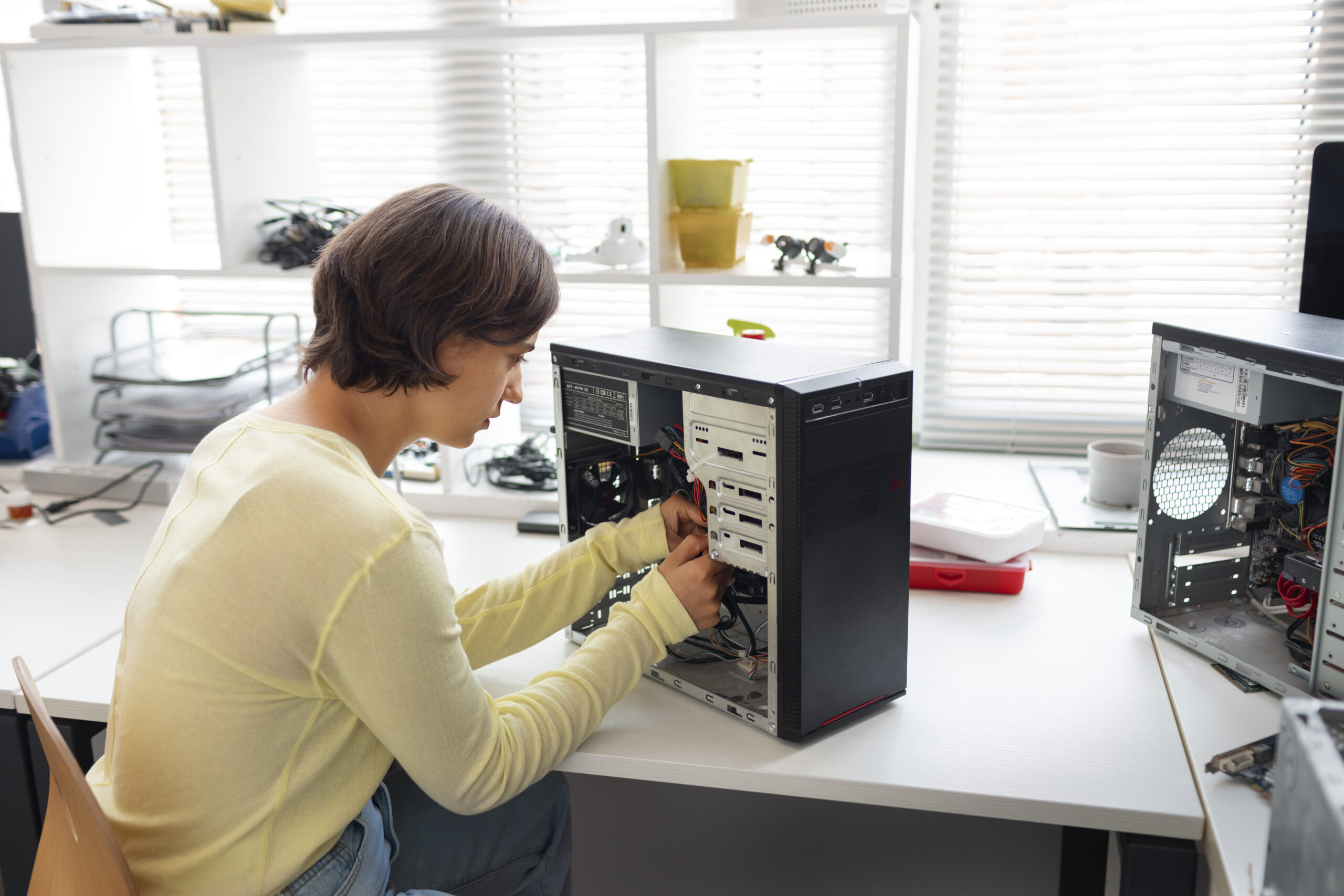
Understanding the Value of Prebuilt Desktops in a Fast-Paced World
Key Takeaways
- Prebuilt desktops provide unmatched convenience and immediate usability for users who require quick setup.
- They are supported by comprehensive warranties and customer service, adding an extra layer of reliability for both individuals and businesses.
- Market changes have made prebuilt systems more cost-effective, narrowing the gap with custom-built PCs.
- Modern systems are upgradeable and designed with both aesthetics and performance in mind, although potential drawbacks, such as proprietary components, should be considered for long-term planning.
Convenience and Time Efficiency
In today’s fast-paced world, efficiency and convenience have become central to how we approach both work and leisure. With deadlines tightening and schedules growing busier, minimizing the time spent on technical setups can have a significant impact on productivity. For many, the process of building a computer from scratch, selecting compatible components, and troubleshooting potential issues can be time-consuming and stressful. This is where solutions designed for immediate usability provide a clear advantage, allowing individuals to focus on tasks that truly matter without getting bogged down by technical details. Streamlined solutions enable users to quickly adapt to evolving demands, whether for professional projects, remote work, or digital creativity.
Prebuilt PCs naturally align with this need for convenience and time efficiency. Offering systems that are fully assembled and tested, they eliminate the trial-and-error phase of component selection and assembly. In environments where every minute counts, having a reliable, ready-to-use machine allows users to dedicate their energy to productive endeavors instead of technical troubleshooting. Ultimately, such solutions reflect a growing trend toward prioritizing immediate functionality while balancing performance needs with time management in a busy lifestyle.
Reliability and Warranty Support
Prebuilt desktops provide reliability due to thorough stress testing conducted by manufacturers. This process ensures thermal stability and system integrity, significantly reducing the risk of hardware mismatches and component failures, which is especially beneficial for inexperienced users. Additionally, prebuilt systems come with a unified warranty and support structure, making repairs and troubleshooting easier. Users can avoid the complications of dealing with multiple component manufacturers, offering greater peace of mind, particularly for those who are uncomfortable with internal repairs.
Cost Considerations
The cost calculation between prebuilt and custom desktops has shifted notably over the past few years. While it was once cheaper to assemble a PC from parts, market shifts—such as volatile RAM and GPU prices—mean that prebuilt models can now sometimes undercut DIY builds in terms of price. With large-scale manufacturers able to leverage bulk purchasing and stable supply chains, the prices for prebuilt desktops remain competitive, even as component shortages temporarily inflate DIY costs. Prebuilt brands can source graphics cards and processors directly from suppliers at preferred rates, and those savings are often passed on to the consumer.
The current market reality is that, for many end users, buying new means buying prebuilt—not just for convenience, but now also for value. In uncertain supply periods, bulk buying power and reliable access to components enable major OEMs to maintain their systems in stock and avoid price gouging, a significant advantage for those who need a PC now, not in six months.
Performance and Upgradability
Modern prebuilt desktops hold their own against custom builds in terms of raw performance. Many of today’s systems are designed to support high-end gaming, professional content creation, and other resource-intensive activities. Premium models can feature the latest CPUs and GPUs, copious memory, fast NVMe storage, and motherboards with current chipsets. In addition, reputable manufacturers increasingly understand the desire for longevity; as such, they make it possible to upgrade core components—including RAM, SSDs, and GPUs—when your workload or gaming habits demand more.
Flexibility and Longevity
The modularity available in many prebuilt desktops means that users don’t have to compromise between plug-and-play ease and long-term adaptability. In this way, a single purchase can provide years of relevance, particularly if you opt for models designed with future hardware in mind. In the past, critics claimed that prebuilt systems left little room for upgrades. Still, the opposite is now often true among trusted brands—allowing buyers to extend the usefulness of their machines through the addition of storage, new graphics cards, or faster memory as technology advances and their needs change.
Design and Aesthetics
Form has become as important as function for many PC buyers. Prebuilt desktops often arrive in thoughtfully engineered cases featuring robust cooling solutions and neatly managed cable systems, which improve both thermal performance and visual appeal. Manufacturers tend to emphasize airflow efficiency and aesthetics, resulting in systems that perform well under load while maintaining a sleek appearance in any workspace or gaming setup. Some models feature tinted tempered glass side panels, subtle logos, or customizable lighting, allowing you to showcase your machine.
Modern prebuilt desktops typically feature well-ventilated chassis, customizable RGB lighting options, and layouts designed for optimal component placement. These aspects not only enhance aesthetic appeal but also help protect your investment by providing better cooling and dust management. The most popular models strike a balance between subtlety and flair, offering a professional appearance for work and an energetic vibe for gaming. They ensure the machine stays functional and efficient, regardless of the demands placed on it.
Potential Drawbacks
While prebuilt desktops excel in convenience, reliability, and design, they do carry some possible limitations. First, certain brands use proprietary motherboards or power supplies, which can make later upgrades or repairs more complicated and expensive. Buyers should research the specific components used in a given model if upgradability is a priority. While reputation matters, some manufacturers prioritize cost-saving measures in ways that can limit future flexibility. Therefore, savvy buyers should always check specifications and options for expandability upfront.
Additionally, prebuilt systems may include pre-installed software—often referred to as bloatware—which can occupy valuable storage space and may need to be removed for optimal performance. These considerations don’t outweigh the significant advantages, but are important for setting realistic expectations and making the most informed choice. A little up-front research can go a long way toward ensuring the prebuilt desktop you buy fits your needs both now and in years to come.
Conclusion
In an era where time and reliability matter more than ever, prebuilt desktops shine as a smart, future-proof investment for both personal and professional users. They enable immediate productivity, offer solid customer support, and given recent shifts in component pricing are frequently the best value available. By weighing both the strengths and potential constraints of these systems, today’s consumers can select a solution that aligns perfectly with their unique needs and priorities. For those who value a rapid, stress-free setup, robust after-sales assistance, and a machine that keeps pace with evolving demands, prebuilt desktops represent one of today’s most practical tech investments.


